Catalogue architecture.
Products, variants, collections and filtering structured around how customers actually shop the range.
ECommerce development
We build eCommerce stores where the catalogue, checkout, content and operations work as one system. The buying experience is engineered around your customers, and the store is engineered around the team who runs it.
Scroll↓
In brief
We provide eCommerce development services from Melbourne for established businesses across Australia. We build and improve stores on Shopify, WooCommerce, BigCommerce and enterprise commerce platforms. Our eCommerce builds are documented in case studies on this website.
The service
Revenue depends on how the catalogue is structured, how fast pages load, how little the checkout asks and how cleanly orders flow into fulfilment. We build all of it as one program, so the store performs as a system rather than a set of features.
What we do
Catalogue, storefront, checkout and operations built as one program by one accountable Melbourne team.
Products, variants, collections and filtering structured around how customers actually shop the range.
Fast, accessible storefront themes built to the approved design, engineered for browsing and buying.
Payment methods, shipping rules and checkout flows configured to remove friction from the final step.
Inventory, ERP, shipping, email and accounting systems connected so orders flow without rekeying.
Landing pages, campaign modules and content tools your team can run without a developer.
Data migration, redirects, testing and team training, so the store launches cleanly and trades from day one.
The platform fit
We develop across Shopify, WooCommerce, BigCommerce and enterprise commerce ecosystems. The recommendation follows your catalogue, channels, operations and integration requirements, and the build quality standard is the same on every platform.
Platform chosen for how your range, variants and pricing actually behave, not from a default preference.
Order flows, fulfilment and back-office systems shape the recommendation as much as the storefront.
An architecture that can take new channels, markets and integrations without a replatform.
Why it matters
Every ad, email and search visit lands on the store. The build determines how many of those visits become orders.
Fewer steps, clearer forms and the right payment methods keep buyers moving to the order confirmation.
Fast product and collection pages keep shoppers browsing and support visibility in search and AI answers.
Structure, filtering and search that surface the right product, however large the range grows.
Merchandising tools that let your team launch offers and landing pages on their own schedule.
Integrations that move orders, stock and customer data where the business needs them.
An extendable architecture that grows with the range instead of ageing out.
Quality
Every store is verified against the same standards before launch, and the evidence is shared with you rather than kept in the workshop.
Load speed measured on real product, collection and checkout templates before launch.
Contrast, keyboard access and screen reader behaviour checked against WCAG guidance.
Metadata, structured product data, redirects and indexing verified so visibility carries over.
Payments, shipping rules, taxes and order confirmations tested end to end with real scenarios.
Order, inventory and fulfilment flows walked through with the people who will run them.
Forms, feeds and integrations tested under launch conditions before the store goes live.
Talk to us
A short, no obligation conversation about where the website is now and what it should do next.
The delivery sequence
Every store follows the same order, so decisions are made once, in the right place, and launch day is an outcome rather than an event.
Products, data, integrations and environments defined and agreed before storefront production begins.
Storefront templates, checkout and integrations built in cycles, reviewed against the approved design and tested as they land.
Quality checks passed, catalogue loaded, redirects live and analytics verified, then a managed launch and handover.
The approach
Formal Discovery may be recommended where complex integrations, large catalogues or multiple markets need separate definition first.
Commercial objectives, customers and the jobs the store must do, confirmed with the people who own them.
Catalogue structure, templates, integrations and hosting designed before any page is built.
Build order agreed by dependency and impact, with owners and checkpoints written down.
Templates, checkout and integrations built in agreed cycles, reviewed as they land.
Performance, accessibility, checkout and search readiness verified against the agreed standards.
Post-launch trading data fed back into the store, so it keeps improving in use.
Answers
Shopify, WooCommerce and BigCommerce, through to enterprise commerce ecosystems. The recommendation follows your catalogue, operations and integration requirements.
Yes. We plan catalogue and customer data migration, redirects and integration cutover as part of the build, so trading continues through the move.
Yes. We audit the current build first, then advise whether to improve it or rebuild, with the evidence for either path.
Redirects, metadata and product content structure are planned as part of the build, so existing visibility carries over to the new store.
Yes. Merchandising tools and content modules are built for your team, and handover includes training with the people who will use them.
The approved strategy and design if they exist, access to the current store and analytics, and the people who own the catalogue and operations.
Yes. Our Shopify, WooCommerce and BigCommerce developers are in Melbourne, and the same team that scopes a store builds and supports it. For larger catalogues and integrations we also work across Shopify Plus and enterprise commerce platforms.
PROOF ON THIS PAGE
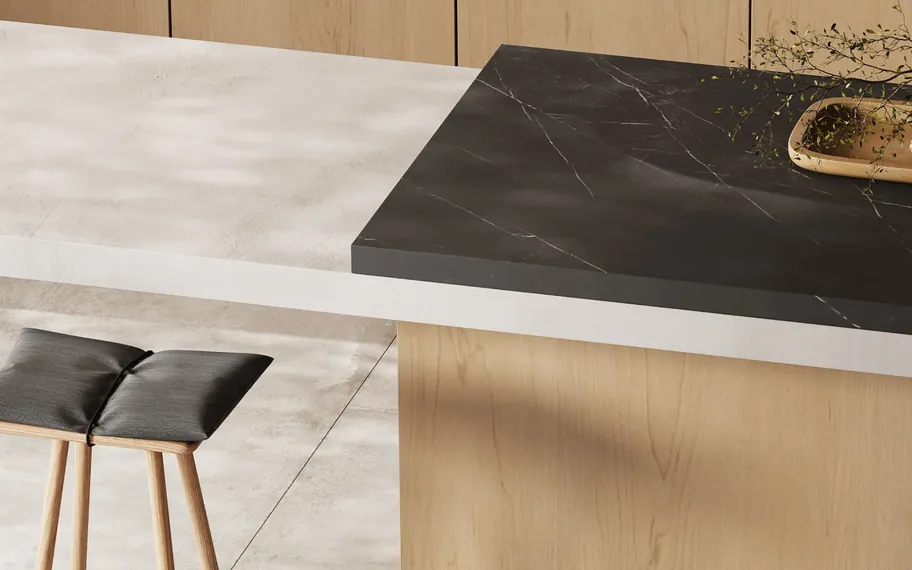 Kitestone
WordPress and WooCommerce website that teaches a new benchtop category while it sells.
Read more →
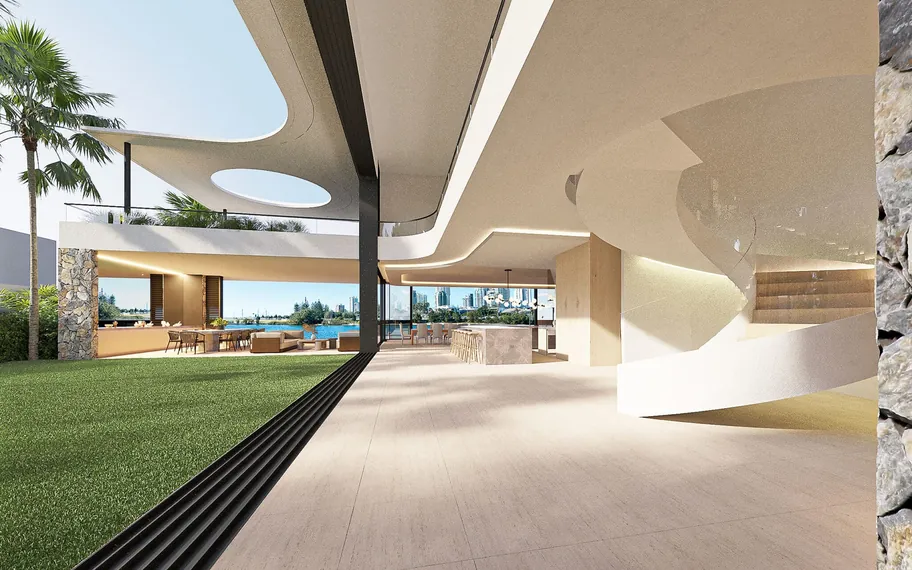 Jared Poole Design
Website design and development with the balance and rhythm of award winning homes.
Read more →
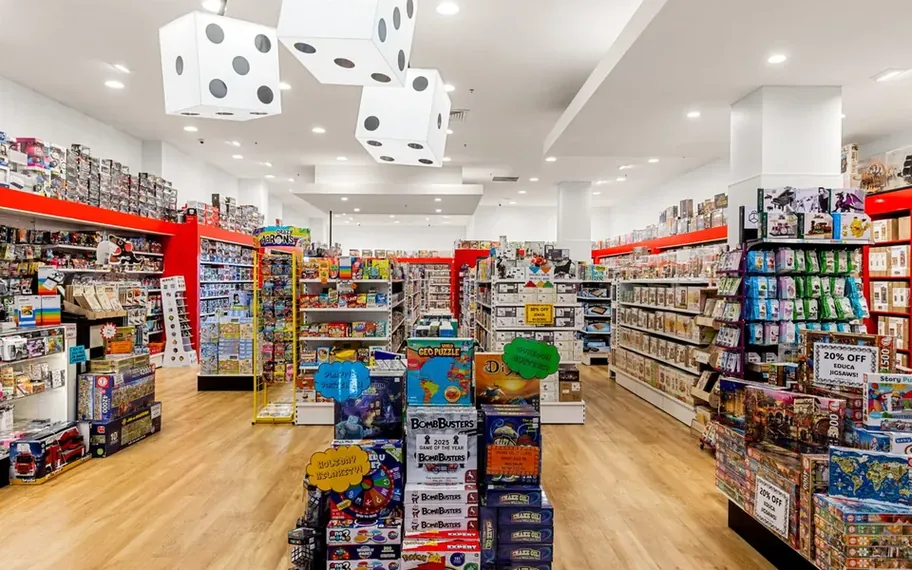 Dinya Designs
WooCommerce website design and development serving retail browsers and trade buyers alike.
Read more →
Start a conversation
Planning a new store, replacing a platform that has run out of road or rescuing a stalled build? Tell us what the store needs to achieve, and we will help identify the appropriate next step.
Proud partners










 4.9 on Google