Align
Objectives, audiences and what success looks like, agreed with the people who will own the result.
A website route
Custom where it matters, controlled where complexity does not. Best when the experience itself is the differentiator, or when the content and journey needs exceed what a framework can carry honestly.
Scroll↓
In brief
We use a custom website approach from Melbourne for experiences a framework cannot carry honestly. Our custom web development pairs bespoke experience and interface design with a responsive CMS build, with proportionate planning embedded in the project and complexity added only where it earns its place, for businesses in Melbourne and across Australia. Custom builds run on WordPress, Laravel, React and Next.js, chosen for the requirement rather than habit.
The route
Custom does not mean everything invented. It means the experience that differentiates you is designed rather than adapted, while everything that should stay dependable stays dependable: proven CMS foundations, disciplined scope and complexity only where it pays for itself.
The sequence
Proportionate planning is embedded in the project, sized to what the build actually needs.
Objectives, audiences and what success looks like, agreed with the people who will own the result.
Scope, content model and technical approach agreed, with proportionate planning embedded in the project.
Journeys, wireframes and interface design for the experience that has to differentiate.
The design engineered on a responsive CMS build, with integrations connected as defined.
Devices, browsers, accessibility and performance checked and measured before launch.
DNS, redirects, analytics and search foundations handled, with the website watched closely after go-live.
Is this your route
If the purpose is focused and a proven framework can carry it honestly, Template-led will serve you better. If several systems, teams or governance requirements have to agree first, start with Complex Discovery.
How it feels to find, read and use is part of why customers choose you.
Content, journeys or integrations ask more than a framework can honestly carry.
Requirements are defined well enough to design against. If they are not, Discovery comes first.
Why this route
Design and engineering effort spent where it changes outcomes.
Journeys built around your audiences rather than a framework's assumptions.
The website reads unmistakably yours, because it was designed rather than adapted.
Engineering effort goes where it changes outcomes, nowhere else.
Customer, product, payment and operational systems connected as first-class citizens.
Speed and accessibility built in and measured, not retrofitted.
A content model and codebase ready for what the roadmap adds next.
What you end up holding
Bespoke experience and interface design on a responsive CMS build, with proportionate planning embedded in the project.
The journeys and interfaces that differentiate you, designed for your audiences.
A bespoke front end on a CMS your team can edit without a developer.
Embedded in the project and sized to the build, rather than bolted on.
Customer, product, payments and operational systems integrated as defined.
Accessibility, performance and browser behaviour measured before launch.
Titles, metadata, redirects and indexing handled at launch.
Talk to us
A short, no obligation conversation about where the website is now and what it should do next.
What happens next
The handover is walked through, not emailed over.
The build walked through with your team, with editing shown rather than documented only.
Analytics, indexing and behaviour monitored in the weeks after go-live.
Website Support carries it forward where ongoing changes and improvement are expected.
Answers
As custom as the objective needs and no more. The differentiating experience is designed; everything that should stay dependable stays dependable.
If requirements carry real unknowns, yes, and we will say so. Where they are defined, proportionate planning inside the project is enough.
Chosen on evidence per project. The Define step is where the recommendation is made, and our platform pages cover the systems we work across.
The Define step writes it down, and changes are decided in the open rather than absorbed silently.
Yes. Speed and accessibility are built in and measured through the Assure step, not retrofitted after launch.
Your team can edit it. Where you want ongoing changes, monitoring and improvement, Website Support carries it forward.
PROOF ON THIS PAGE
 Milone’s Tree Solutions
WordPress website design and development that lifted traffic 450% and leads 245%.
Read more →
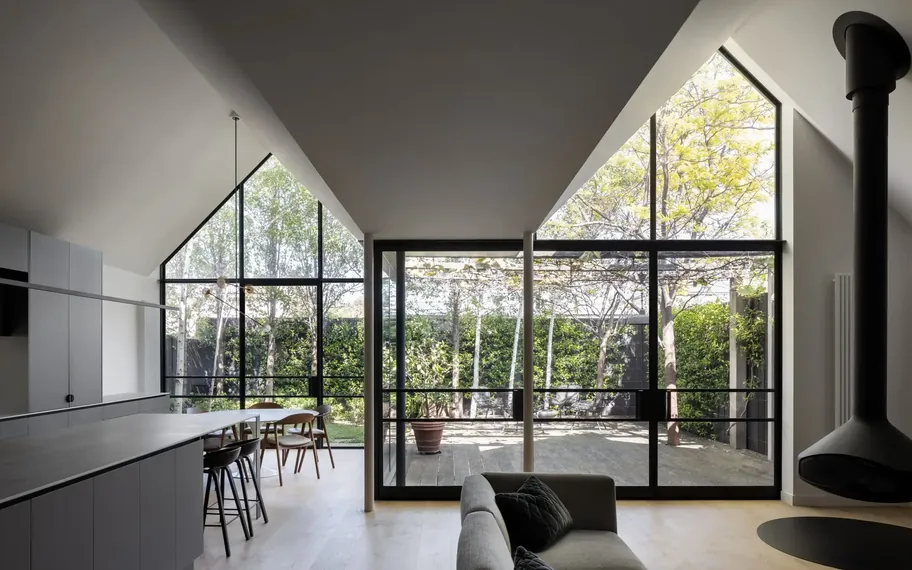 Steel Window Designs
Website design and development pairing a premium look with easy content control.
Read more →
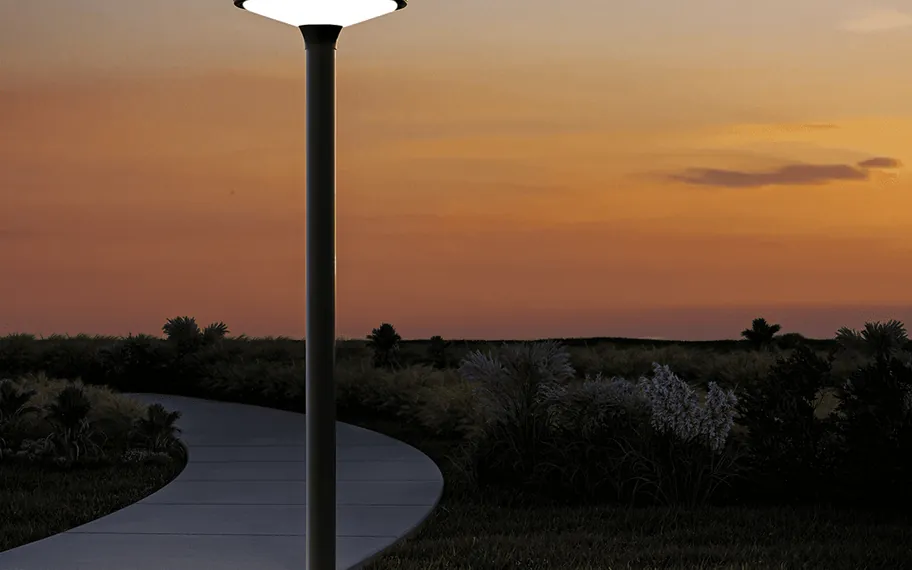 Domus Lighting
B2B website design and development that lifted traffic 234% and leads 287%.
Read more →
Start a conversation
Tell us what the experience needs to do that a framework cannot. If custom is the answer, we will say so. If it is not, we will tell you which route is.
Proud partners










 4.9 on Google