Steel Window Design makes custom steel windows and doors for homeowners, renovators and the architects and interior designers who specify them. The product is premium, and the marketing had to be too: the brand needed more people to know it and more of the right people to enquire, without competing on price. Paid social offered a way to show the product in finished homes and to reach both audiences with creative built for each.
Case study · Manufacturing & industrial
Steel Window Design: iterative design with results.
Steel Window Design is a leading Australian manufacturer of premium steel windows and doors, known for combining architectural precision with high-quality craftsmanship.
- Sector
- Manufacturing & industrial
- Service
- Digital marketing
Digital marketingCampaign delivery
The challenge
What needed to change.
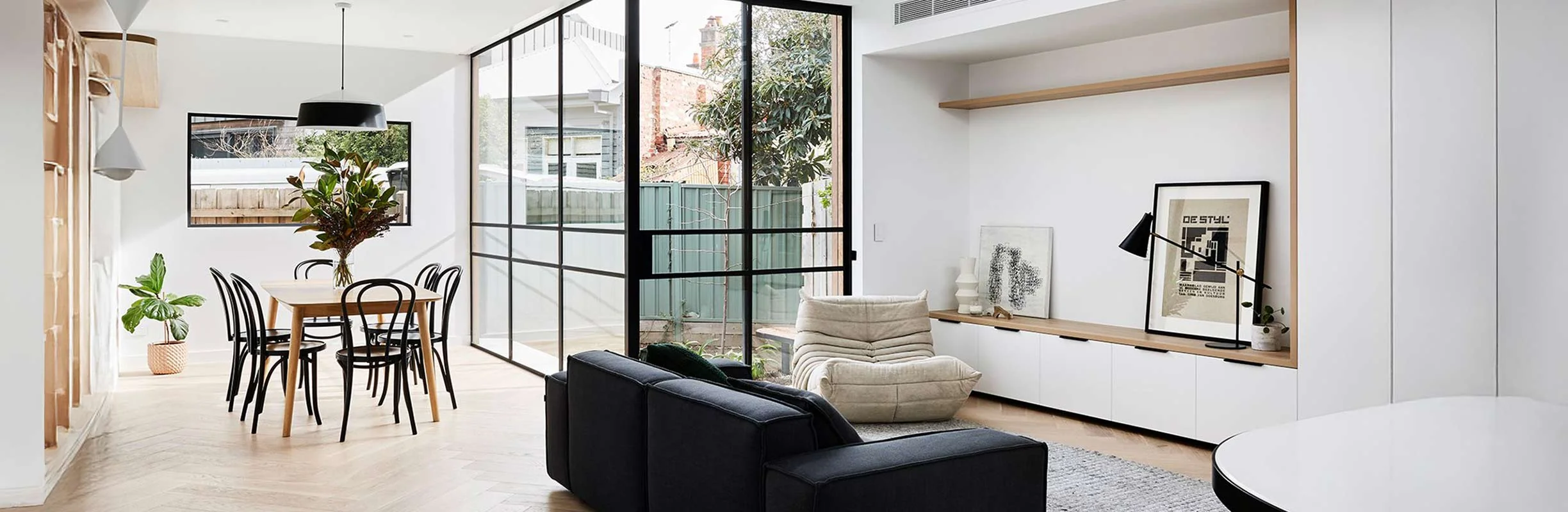
Steel Window Design engaged the agency to develop a paid social advertising plan to increase awareness and enquiry volume for Steel Window Design, positioning the brand as a premium provider of custom made steel windows and doors.
The brief had required creative that highlighted craftsmanship, Australian made materials and modern architectural appeal, while clearly communicating quality, durability and design credentials to homeowners and renovators.
Approach
How the work took shape.
Approach: phase 1.
The strategy focused on positioning Steel Window Design as a premium, Australian made brand by leading with visual impact and craftsmanship rather than price driven messaging.
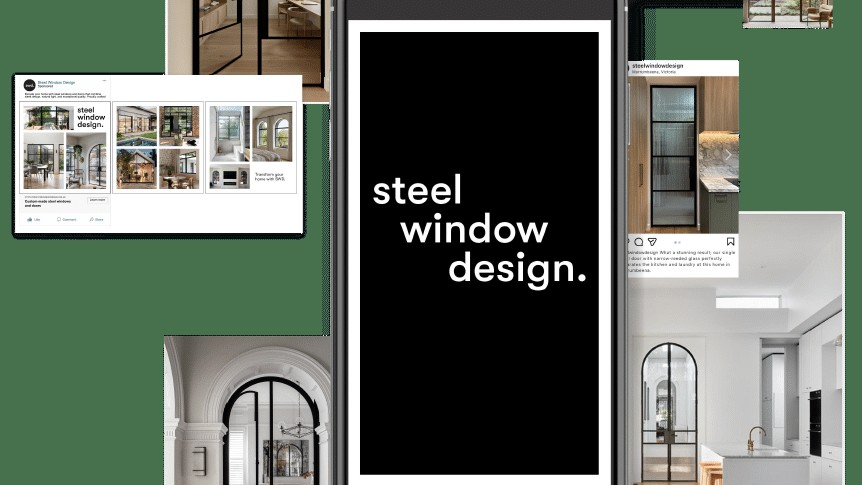
Paid social was used to showcase how steel windows and doors transform light, space and architectural character, building desire through clean, design led creative that aligned with modern homes and renovation audiences.
Execution prioritised high quality placements using video and carousel formats to demonstrate product detail, material quality and finished outcomes, supported by clear and simple calls to action.
Approach: phase 2.
We introduced additional audience personas to better target higher-value B2B audiences, including architects and interior designers. This opportunity was identified through lead quality data, with the objective of expanding reach and improving lead value without sacrificing performance from the existing audience base.
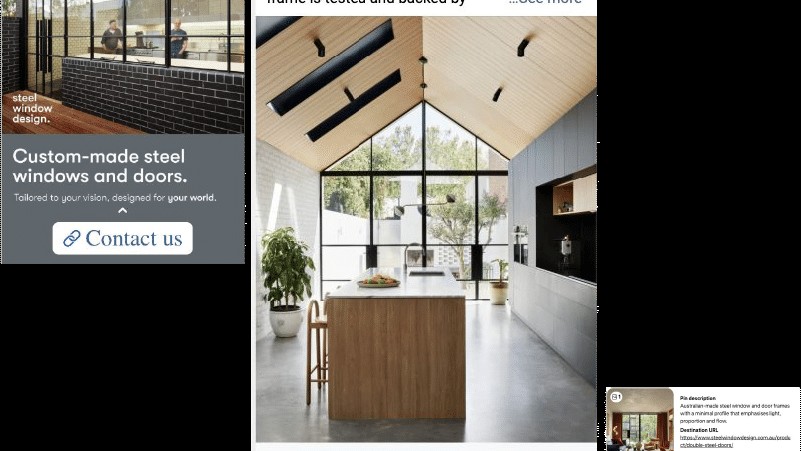
Building on learnings from Phase 1, creative was structured to align with both audience segment and intent, ensuring relevance across the funnel. As the campaign ran across multiple platforms, the approach varied slightly to reflect differences in user behaviour, while maintaining a consistent strategic framework. Tailored creative was developed for each persona at each funnel stage.
Multiple creative variations were tested through A/B and split testing across formats, with performance data used to identify the strongest assets and scale these through further iterations. High-performing organic content was also repurposed into the paid creative ecosystem, extending the reach of proven content and maintaining consistency across channels.
The shift
Lead quality data showed architects and designers were already responding, so the second phase went looking for them.
Talk to us
Planning social advertising like this? Talk it through with us.
Tell us what your project needs to do, and we will help identify the next step.
The work
The work, up close.
Following the transition from Phase 1 to Phase 2, campaign performance showed strong improvements across both reach and efficiency, increasing impressions while significantly reducing media costs. More qualified users were driven to the website through higher outbound clicks at a lower cost, resulting in a noticeable uplift in enquiries.
29.3%.
Increase in impressions from Phase 1 to Phase 2.
22.3%.
Decrease in CPM from Phase 1 to Phase 2.
27.6%.
Increase in Pinterest pin clicks from Phase 1 to Phase 2.
11.2%.
Increase in leads from Phase 1 to Phase 2.
12.4%.
Decrease in cost per lead from Phase 1 to Phase 2.
Keep reading
Related work.
 Cosmic Polish
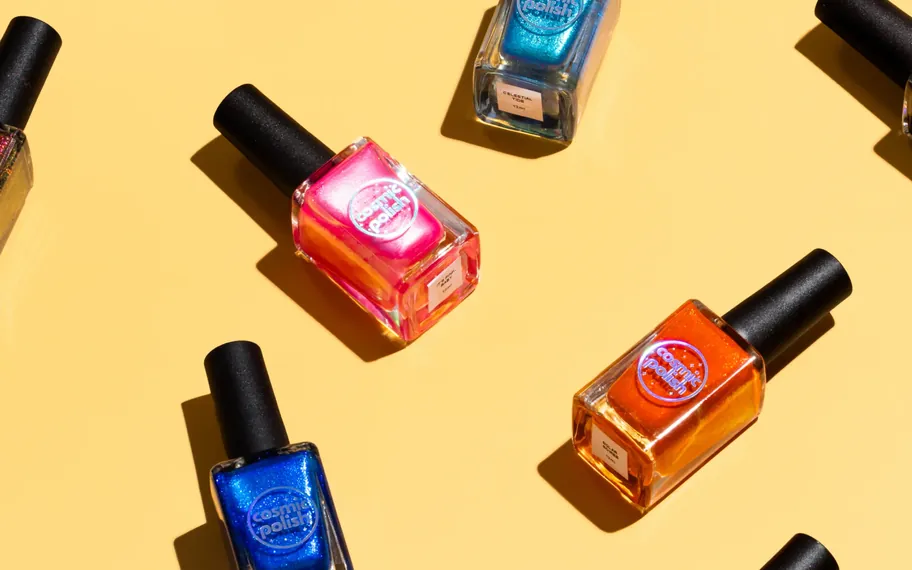
Meta advertising rebuilt around moving creative for an eCommerce nail polish brand.
Read more →
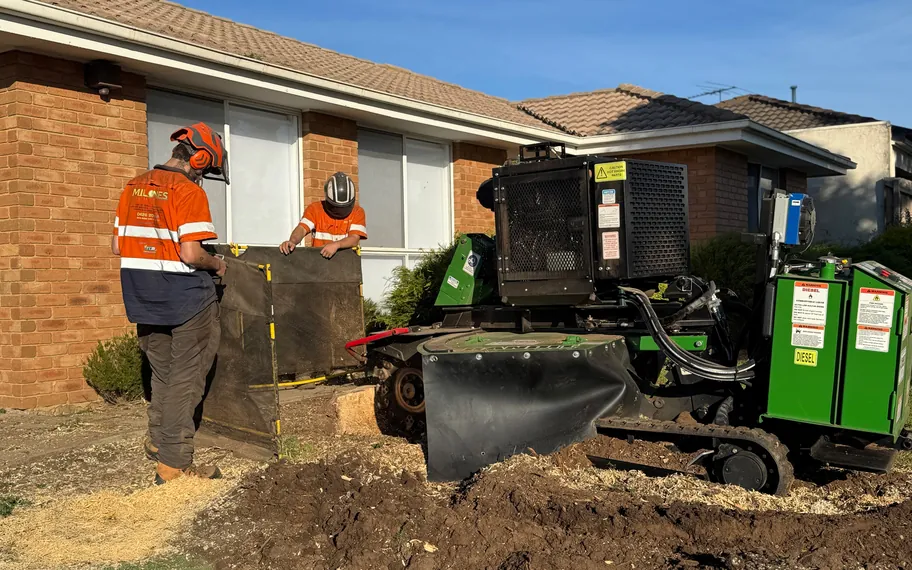 Milone’s Tree Solutions
Local SEO that lifted organic traffic 450% and tripled ranked keywords in a year.
Read more →
+450% organic traffic, over twelve months.
 Boniik
Lifecycle email marketing rebuilt to scale revenue for a K-beauty eCommerce retailer.
Read more →